Period poverty refers to the lack of access to menstrual hygiene products, education, sanitation facilities, and the societal stigma surrounding menstruation. In disadvantaged communities, many girls face challenges in affording or accessing sanitary products, leading to health risks, absenteeism from school, and limited opportunities for education and social participation. This perpetuates a cycle of inequality and affects the overall well-being and development of school-age girls.
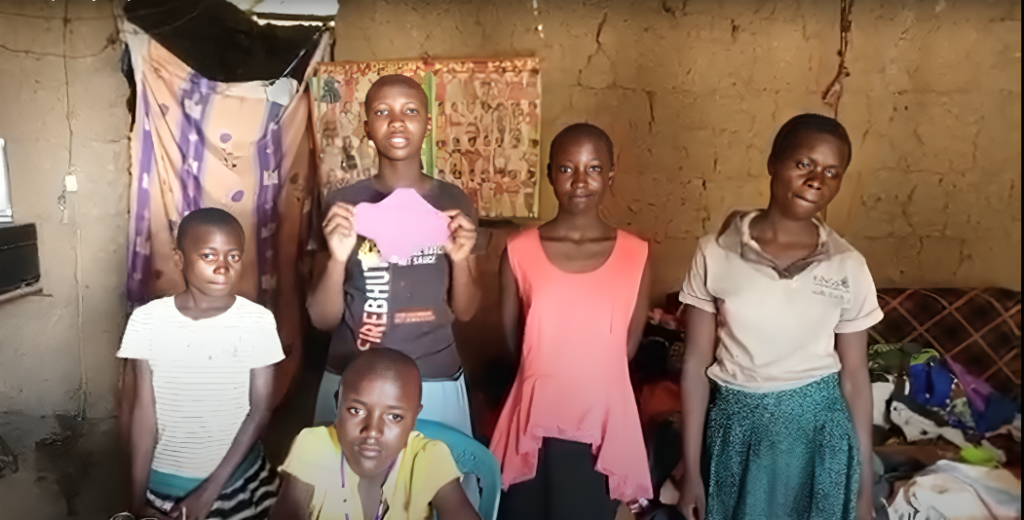
“At Namasanda School in Rural Kenya, three student storytellers and their mothers are changing the dialogue around period poverty.”
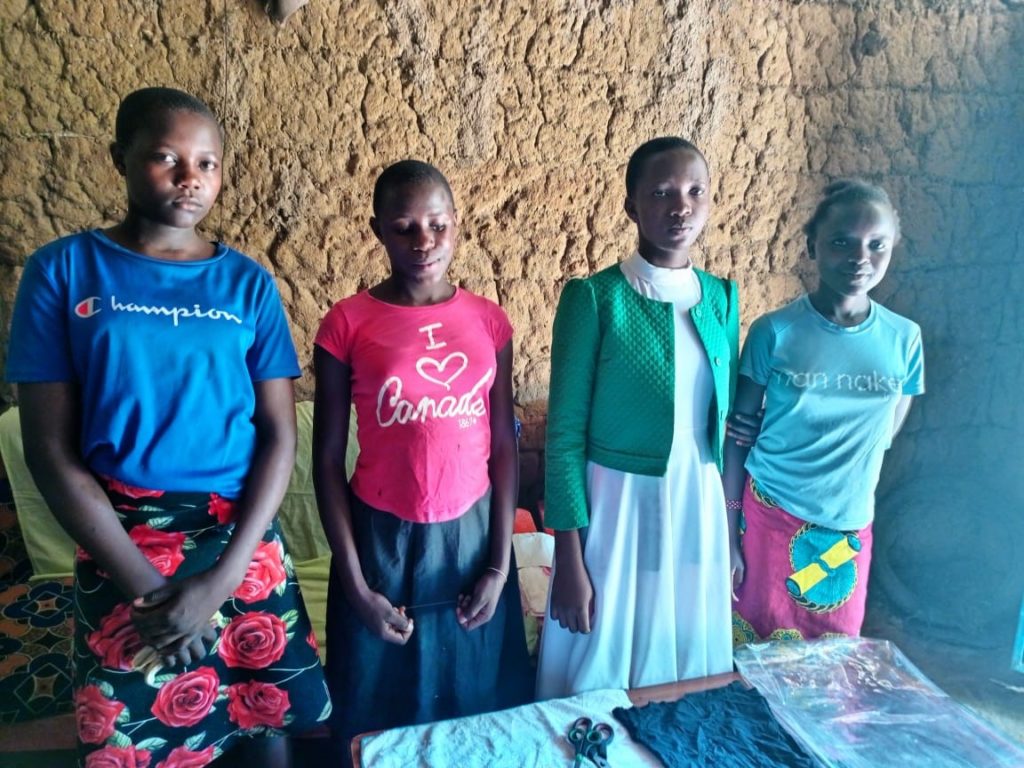
“They are creating reusable sanitary pads with cost-effective, sustainable solutions for girls who cannot afford traditional options.”
So far, they have sewn 75 pads, providing 15 students with 5 pads each and a bar of soap. Testimonials from the girls indicate a positive impact on school attendance and self esteem.
Operations Plan
Production:
Initial production of 150 pads.
Sewing and assembly conducted by three students and their mothers.
Distribution:
Provide each girl with five reusable pads and a bar of soap.
Workshops:
Conduct bi-monthly hygiene education sessions.
Management and Staffing
Project Coordinator: One of the mothers overseeing the project.
Sewing Team: Three students and their mothers.
Volunteers: Community members assisting in distribution and education.
Financial Plan
Initial Funding and Startup Costs:
Sewing Machines: $300 (three machines at $100 each)
Materials: $450 (fabric, thread, and other sewing supplies for 150 pads at $3 each)
Soap Bars: $45 (15 soap bars at $3 each)
Workshops and Awareness Campaigns: $100
Miscellaneous: $105
Total Initial Funding Required: $1,000
Operational Costs (Annual):
Materials for Pads: $900 (300 pads at $3 each)
Soap Bars: $90 (30 soap bars at $3 each)
Workshops and Awareness Campaigns: $200
Maintenance of Sewing Machines: $50
Miscellaneous: $60
Total Annual Operational Costs: $1,300
Help end period poverty at Namasanda by donating to this sustainable project.